
Sri Rudram PDF Sanskrit: A Comprehensive Guide
Sri Rudram‚ a sacred Hindu chant from the Krishna Yajur Veda‚ is widely available in PDF format. These digital versions often include Sanskrit text‚ transliteration‚ and English translations‚ aiding study and recitation.
Sri Rudram represents a pivotal and profoundly revered hymn within the Vedic tradition‚ specifically originating from the Krishna Yajur Veda’s Taittiriya Samhita. Its significance extends far beyond a mere textual recitation; it embodies a powerful invocation to Lord Shiva‚ acknowledging his diverse and formidable aspects. The hymn’s enduring appeal is reflected in its widespread availability in PDF format‚ catering to both scholars and devotees seeking access to its sacred verses.
These PDF versions frequently incorporate the original Sanskrit text alongside transliterations – rendering the pronunciation accessible – and comprehensive English translations‚ bridging the linguistic gap for a broader audience. The digital format facilitates convenient study‚ memorization‚ and participation in chanting practices. Understanding Sri Rudram requires appreciating its historical roots and its integral connection to Vedic rituals and philosophical concepts‚ making these readily available resources invaluable.
What is Sri Rudram?
Sri Rudram is‚ fundamentally‚ a hymn dedicated to Rudra‚ a fierce manifestation of Lord Shiva‚ found within the Krishna Yajur Veda. It’s not a standalone text but a component of the larger Sri Rudram-Chamakam‚ comprising two distinct parts. The hymn consists of 300 verses‚ primarily addressing Rudra with various names and attributes‚ seeking his blessings and protection.
Digitized versions in PDF format are incredibly common‚ offering access to the original Sanskrit alongside transliterations and translations. These PDFs often present the verses in a structured manner‚ aiding in recitation and comprehension. The core purpose of Sri Rudram is purification – both internal and external – and invoking divine grace. Its verses describe Rudra’s power over natural forces and his role as the destroyer of obstacles‚ making it a potent mantra for spiritual seekers.
The Historical Significance of Sri Rudram
Sri Rudram’s origins trace back to the ancient Vedic period‚ specifically the Krishna Yajur Veda‚ establishing its profound historical roots in Hindu tradition. Its composition is believed to be ancient‚ though pinpointing an exact date remains challenging. Throughout history‚ it has been a central component of Vedic rituals and practices‚ particularly those associated with Shiva worship.
The availability of Sri Rudram in PDF format represents a modern continuation of this long tradition‚ democratizing access to this sacred text. The preservation of the Sanskrit verses within these digital documents ensures its continued study and recitation. Historically‚ transmission was oral‚ passed down through generations of priests and scholars. Now‚ PDFs facilitate wider dissemination‚ allowing individuals globally to engage with this powerful hymn and its associated spiritual benefits.
Sri Rudram and the Vedas
Sri Rudram is an integral part of the Krishna Yajur Veda‚ specifically the Sri Rudram chapter within the second Kanda (section) of the Taittiriya Samhita. This Vedic connection is fundamental to understanding its significance and proper recitation. The hymn consists of two parts: the Namakam and the Chamakam‚ each with distinct structures and purposes.
The increasing availability of Sri Rudram in PDF format allows for easier access to the original Sanskrit verses alongside Vedic commentaries. These digital resources often include detailed explanations of the hymn’s relationship to the broader Vedic corpus. Studying Sri Rudram within its Vedic context is crucial for appreciating its depth and power. Modern PDF versions often provide transliteration‚ aiding those unfamiliar with the Devanagari script‚ thus fostering a deeper connection to the Vedas.
The Structure of Sri Rudram
Sri Rudram is distinctly divided into two primary sections: the Namakam and the Chamakam. The Namakam‚ comprising verses 1-77‚ focuses on invoking various names and attributes of Lord Shiva‚ often described as fierce and powerful. Conversely‚ the Chamakam (verses 78-160) presents a series of questions seeking blessings and boons‚ emphasizing peace and prosperity.
Many PDF versions of Sri Rudram meticulously preserve this structural division‚ often highlighting each section for clarity. Access to these Sanskrit texts in PDF format allows for detailed study of the verse arrangements and their underlying symbolism. Digital resources frequently include line-by-line breakdowns‚ aiding comprehension. Understanding this structure is vital for proper chanting and appreciating the hymn’s complete devotional arc‚ making PDF study invaluable.

Understanding the Sanskrit Text
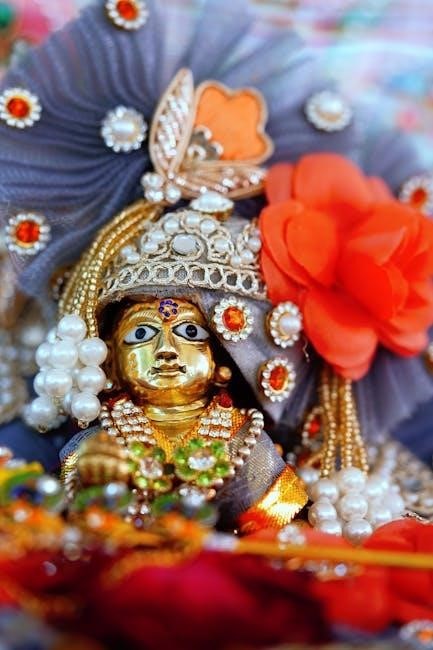
Sri Rudram’s original Sanskrit verses‚ often found in PDFs‚ require careful study. Accurate pronunciation and understanding key terms unlock the hymn’s profound spiritual meaning.
The Importance of Sanskrit Pronunciation
Sanskrit pronunciation is paramount when engaging with Sri Rudram‚ especially when utilizing PDF resources for study and recitation. The subtle nuances of each syllable hold energetic significance‚ impacting the efficacy and depth of the chant. Incorrect pronunciation can alter the meaning and diminish the spiritual benefits.

Many PDF versions offer transliteration – a Roman script representation of the Sanskrit – to assist learners. However‚ transliteration is merely a guide; it cannot fully capture the precise sounds. Listening to recordings of experienced Vedic scholars reciting Sri Rudram is crucial. These audio resources‚ often linked alongside PDF texts‚ provide a model for accurate articulation;
Paying attention to the correct intonation‚ nasalization‚ and aspiration is vital. The Sanskrit language is phonetic‚ meaning each sound corresponds to a specific articulation. Mastering these sounds‚ even if initially challenging‚ unlocks a deeper connection to the hymn’s power and ensures a more authentic and rewarding experience when working with Sri Rudram PDF materials.
Key Sanskrit Terms in Sri Rudram
Understanding key Sanskrit terms is essential when studying Sri Rudram‚ particularly when utilizing PDF versions for self-study. “Rudra” itself signifies Shiva’s fierce‚ yet benevolent‚ aspect – the destroyer and transformer. “Namakam” and “Chamakam” are the two primary sections of the hymn‚ each with distinct structures and focuses.
Within these sections‚ recurring terms like “Shiva‚” “Eshana‚” and various epithets describing Rudra’s attributes appear frequently. A good Sri Rudram PDF will often include a glossary defining these terms. “Anu‚” meaning “subtle‚” and “Brahman‚” representing the ultimate reality‚ are foundational concepts.
Familiarizing oneself with these terms‚ often found alongside transliteration in PDF resources‚ enhances comprehension. Recognizing the root meanings of words unlocks a deeper appreciation for the hymn’s poetic and philosophical depth. Consistent reference to a Sanskrit dictionary alongside your Sri Rudram PDF is highly recommended for effective learning.
The Meaning of Rudram: Shiva’s Fierce Aspect
Sri Rudram‚ accessible through numerous PDF resources‚ centers on invoking Rudra‚ a fierce manifestation of Lord Shiva. This isn’t simply about aggression; it represents the power to destroy ignorance‚ negativity‚ and limitations – paving the way for transformation and renewal. Studying a Sri Rudram PDF reveals Rudra as both terrifying and compassionate.
The hymn’s verses repeatedly address Rudra with various names‚ each highlighting a specific aspect of this potent energy. Understanding this “fierce aspect” is crucial; it’s the force that dismantles obstacles to spiritual progress. Many PDF translations emphasize this destructive-creative duality.
Accessing a well-annotated PDF can clarify how Rudra’s power isn’t inherently negative‚ but a necessary component of cosmic balance. It’s a call to confront and overcome inner demons‚ ultimately leading to liberation. The Sanskrit verses‚ when understood‚ reveal a profound philosophical depth regarding Shiva’s nature.
Different Schools of Interpretation
When studying Sri Rudram via PDF resources‚ it’s vital to recognize the diverse interpretations surrounding its verses. Different schools of Hindu philosophy – Advaita Vedanta‚ Vishishtadvaita‚ and Dvaita – offer unique perspectives on the hymn’s meaning and purpose. A comprehensive PDF collection often showcases these varied viewpoints.
Some interpretations focus on the literal invocation of Rudra for protection and worldly benefits‚ while others emphasize the symbolic representation of the individual soul’s journey towards liberation. Examining multiple PDF commentaries reveals these nuances.
The understanding of key Sanskrit terms also differs. Accessing PDFs from various traditions allows for a comparative analysis‚ enriching one’s comprehension. Recognizing these differing schools isn’t about finding a “correct” answer‚ but appreciating the richness and complexity of Vedic thought‚ readily available through digital texts.

Finding Sri Rudram in PDF Format
Numerous websites offer Sri Rudram in PDF format‚ providing access to the Sanskrit text‚ transliterations‚ and translations for convenient study and recitation.
Reliable Sources for Sri Rudram PDFs
Locating authentic Sri Rudram PDFs requires careful consideration of the source. Several reputable online platforms specialize in Vedic literature and offer verified texts. Websites associated with established Hindu organizations‚ such as those dedicated to Vedic chanting or traditional puja practices‚ are generally trustworthy.
Digital libraries focusing on Sanskrit texts and Hindu scriptures also provide reliable access. Look for PDFs originating from scholarly institutions or individuals with recognized expertise in the Vedas. Beware of unverified sources or those with unclear origins‚ as they may contain errors or inaccurate transcriptions of the Sanskrit verses.
Furthermore‚ many gurukulas (traditional Vedic schools) and temples offer downloadable Sri Rudram PDFs on their official websites. These resources often include accompanying audio files for correct pronunciation and recitation guidance. Prioritize sources that clearly indicate the lineage or tradition from which the text originates‚ ensuring its authenticity and adherence to established Vedic principles.
Authenticity and Verification of PDFs
Ensuring the authenticity of a Sri Rudram PDF is crucial for accurate recitation and understanding. Compare multiple versions from different sources to identify discrepancies in the Sanskrit text or transliteration. Look for consistency in the arrangement of verses and the use of diacritical marks‚ which are essential for correct pronunciation.
Cross-reference the PDF with established printed editions of the Sri Rudram‚ if possible. Consult with a knowledgeable pandit (Hindu priest) or scholar of Sanskrit to verify the text’s accuracy and adherence to traditional Vedic standards. Pay attention to the publisher or organization associated with the PDF; reputable institutions generally maintain higher standards of quality control.
Be cautious of PDFs that lack clear attribution or appear to be scanned copies of poorly preserved manuscripts. Prioritize versions that have been digitally typeset and proofread‚ minimizing the risk of errors. Ultimately‚ verifying authenticity requires diligence and a commitment to preserving the integrity of this sacred text.
PDFs with Transliteration
Many Sri Rudram PDF resources include transliteration‚ converting the Sanskrit script into a Romanized form. This is incredibly helpful for those unfamiliar with Devanagari‚ the script in which Sri Rudram is traditionally written. Transliteration aids in accurate pronunciation‚ bridging the gap for learners.
However‚ different transliteration schemes exist – IAST (International Alphabet of Sanskrit Transliteration) is widely considered the most accurate and consistent. Look for PDFs explicitly stating they use IAST. Be aware that some may employ simpler‚ less precise systems‚ potentially leading to mispronunciation.
Transliterated PDFs often present the Sanskrit text alongside the Romanized version‚ allowing for direct comparison and learning. This dual presentation is invaluable for students of the Vedas. Prioritize resources offering clear‚ consistent transliteration to maximize your learning experience and ensure correct chanting.
PDFs with English Translations
Numerous Sri Rudram PDF documents incorporate English translations‚ crucial for understanding the profound meaning behind the Sanskrit verses. These translations vary in depth and interpretation‚ ranging from literal word-for-word renderings to more interpretive and explanatory versions.
When selecting a PDF with an English translation‚ consider the translator’s background and philosophical leaning. Different schools of thought may influence the interpretation. Look for translations accompanied by explanatory notes or commentaries‚ providing context and deeper insights.
Beware that translations are inherently interpretations; no single translation perfectly captures the nuances of the original Sanskrit. Comparing multiple translations can offer a more comprehensive understanding. A good PDF will present both the Sanskrit‚ transliteration‚ and a reliable English translation for optimal study.

Chanting and Recitation
Sri Rudram chanting‚ facilitated by PDF resources‚ offers spiritual benefits. Proper pronunciation and rhythmic recitation‚ ideally guided by a guru‚ enhance its power.

The Benefits of Chanting Sri Rudram
The recitation of Sri Rudram‚ often accessed through convenient PDF versions containing the Sanskrit text‚ is believed to bestow numerous spiritual and worldly benefits. Devotees engage in this practice seeking purification‚ protection‚ and prosperity. Chanting is thought to neutralize negative energies and foster a sense of inner peace.
Regular recitation‚ aided by readily available PDF resources‚ is said to enhance mental clarity‚ improve concentration‚ and strengthen devotion. The powerful vibrations generated during chanting are believed to resonate with the divine‚ fostering a deeper connection with Lord Shiva. Many practitioners report experiencing reduced stress‚ improved health‚ and increased overall well-being.
Furthermore‚ Sri Rudram is considered a potent remedy for overcoming obstacles and fulfilling desires. The consistent study of the text‚ made easier with PDF accessibility‚ deepens understanding and amplifies the positive effects of the chant. It’s a practice that harmonizes the individual with the universe.
Proper Recitation Techniques
Accurate recitation of Sri Rudram‚ often learned using PDF versions of the Sanskrit text‚ is crucial for maximizing its benefits. Pronunciation is paramount; utilizing PDFs with transliteration assists in correct articulation. Maintaining a clear and steady rhythm is also essential‚ fostering a meditative state.
Traditionally‚ recitation involves a specific intonation and adherence to Vedic swaras (musical notes). While mastering these nuances requires guidance‚ beginners can focus on accurate pronunciation and mindful repetition‚ utilizing PDF resources for support. Consistency is key; regular practice‚ even for short durations‚ yields significant results.
Many practitioners emphasize the importance of a pure mindset and devotional attitude during recitation. A quiet environment free from distractions enhances concentration. Studying PDFs containing explanations of the mantra’s meaning deepens understanding and elevates the practice beyond mere vocalization.
The Role of a Guru
While Sri Rudram can be initially approached using PDF versions of the Sanskrit text and online resources‚ the guidance of a qualified Guru remains invaluable. A Guru provides authentic transmission of the mantra‚ ensuring correct pronunciation and intonation – aspects often difficult to grasp solely from PDFs.
The Guru’s role extends beyond technical instruction; they impart the spiritual context and significance of Sri Rudram‚ deepening understanding and fostering devotion. They can also personalize the practice‚ tailoring it to the individual’s needs and capabilities. A Guru helps navigate the subtle energies associated with the mantra.
Though PDFs offer accessibility‚ they cannot replicate the Guru-shishya parampara (teacher-student lineage). The Guru’s presence and blessings are considered essential for unlocking the full potential of Sri Rudram’s transformative power‚ guiding the practitioner towards spiritual growth.
Different Methods of Recitation (Japa‚ Parayana)
Accessing Sri Rudram in PDF format facilitates various recitation methods. Japa involves silent‚ repetitive chanting‚ often using a mala (rosary) to count repetitions. This focused practice‚ guided by the Sanskrit text within the PDF‚ cultivates inner stillness.
Parayana signifies a more elaborate recitation‚ often performed aloud‚ sometimes with a group. Utilizing a PDF allows for synchronized reading and collective energy. Both methods benefit from understanding the meaning‚ which PDFs with translations provide.
The choice depends on individual preference and time constraints. PDFs enable flexible practice – short daily japa sessions or longer parayana during special occasions. Consistent recitation‚ regardless of method‚ is key. The availability of Sanskrit text in PDFs ensures accuracy‚ while translations deepen comprehension.

Sri Rudram and Rituals
Sri Rudram‚ often found in PDF form‚ is central to Vedic yagnas and Shiva Puja. PDFs aid in performing Rudrabhishekam‚ a sacred offering ritual.
Sri Rudram in Vedic Yagnas
Sri Rudram holds a paramount position within Vedic yagnas‚ complex fire rituals designed to invoke deities and achieve specific spiritual goals. Access to the Sanskrit text‚ frequently distributed as PDFs‚ is crucial for accurate chanting during these ceremonies. These PDF versions often include detailed instructions and phonetic guides‚ ensuring proper pronunciation – vital for the ritual’s efficacy.
Historically‚ yagnas were elaborate undertakings‚ requiring precise recitation of Vedic hymns‚ including Sri Rudram; The chant’s powerful vibrations are believed to purify the environment and connect participants with the divine. Modern practitioners utilize PDF resources to maintain the integrity of these ancient traditions‚ even when performing simplified versions of the yagnas. The availability of transliterated PDFs further assists those unfamiliar with the Devanagari script‚ allowing wider participation in these sacred rites. The PDF format ensures accessibility and preservation of this important Vedic hymn.
The Use of Sri Rudram in Shiva Puja
Sri Rudram is intrinsically linked to Shiva Puja‚ serving as a central component in many devotional practices dedicated to Lord Shiva. The hymn’s potent verses are believed to invoke Shiva’s blessings and facilitate spiritual growth. Conveniently‚ the Sanskrit text of Sri Rudram is widely available in PDF format‚ making it accessible for devotees worldwide.
During Shiva Puja‚ reciting Sri Rudram is often performed alongside other rituals like abhishekam (ritual bathing of the deity). PDF versions with transliteration are particularly helpful for those less familiar with the Devanagari script‚ enabling accurate pronunciation. Many PDFs also include English translations‚ deepening understanding of the hymn’s profound meaning. The digital format allows for easy printing and portability‚ facilitating personal devotion and group chanting. Utilizing these PDF resources ensures the preservation and continued practice of this sacred hymn within Shiva Puja traditions.
Sri Rudram and Rudrabhishekam
Rudrabhishekam‚ a significant Shiva Puja ritual‚ fundamentally revolves around the chanting of Sri Rudram. This elaborate ceremony involves the ceremonial bathing of the Shiva Lingam with various sacred substances while continuously reciting the hymn. Access to the Sanskrit text of Sri Rudram in PDF format is crucial for performing this ritual correctly.
PDF versions often include detailed instructions and the complete Sri Rudram verses‚ aiding priests and devotees alike. Transliterated PDFs are invaluable for accurate pronunciation during the extended recitation. Many digital resources also provide explanations of the ritual’s symbolism and the benefits of performing Rudrabhishekam. The availability of Sri Rudram in PDF format ensures the ritual’s accessibility and proper execution‚ fostering a deeper connection with Lord Shiva and promoting spiritual well-being. These resources preserve the tradition for future generations.
The Significance of Offering During Recitation
During the recitation of Sri Rudram‚ offerings (arghya) are traditionally made to enhance the spiritual potency of the chant. While the Sanskrit text in PDF format guides the verbal aspect‚ understanding the accompanying offerings is vital. These offerings‚ often including water‚ flowers‚ bilva leaves‚ and sometimes even specific herbs‚ symbolize surrender and devotion.
PDF guides detailing Sri Rudram often mention the appropriate offerings for each section of the hymn‚ linking the verses to specific symbolic gestures. The act of offering while reciting‚ guided by the PDF’s instructions‚ is believed to amplify the mantra’s power and invoke blessings. Access to a well-formatted PDF ensures correct practice. The combination of accurate recitation from the Sanskrit text and mindful offerings creates a powerful spiritual experience‚ fostering a deeper connection with the divine.

Advanced Studies and Resources
Sri Rudram’s deeper understanding requires commentaries and scholarly articles‚ often accessible online. PDF versions facilitate focused study of this powerful Sanskrit hymn.
Commentaries on Sri Rudram
Delving into Sri Rudram necessitates exploring the wealth of commentaries available‚ offering nuanced interpretations of the Sanskrit text. Numerous scholars have dedicated themselves to unraveling the hymn’s complexities‚ and their works are often found in PDF format for convenient access. These commentaries provide context‚ explain intricate verses‚ and illuminate the philosophical underpinnings of Sri Rudram.
Several prominent commentaries exist‚ each stemming from a distinct Vedic tradition. Some focus on the literal meaning of the words‚ while others emphasize the symbolic and esoteric aspects. Finding these commentaries in PDF form allows for detailed study‚ enabling practitioners to compare different perspectives and deepen their understanding. Digital access also facilitates searching for specific terms or verses within the commentary itself.
Researchers and devotees alike benefit from these readily available resources‚ fostering a more comprehensive appreciation for Sri Rudram’s profound spiritual significance. The availability of PDF versions democratizes access to these valuable insights‚ making them accessible to a wider audience globally.
Scholarly Articles on Sri Rudram
A deeper understanding of Sri Rudram is greatly enhanced by exploring the numerous scholarly articles dedicated to its analysis. These articles‚ often available as PDF downloads from academic databases and journals‚ provide rigorous examinations of the hymn’s linguistic‚ historical‚ and philosophical dimensions. Researchers delve into the Sanskrit text‚ exploring its connections to the broader Vedic corpus and its significance within Hindu traditions.
Many articles focus on specific aspects of Sri Rudram‚ such as its relationship to the deity Shiva‚ its role in Vedic rituals‚ or its interpretation within different schools of thought. Accessing these scholarly works in PDF format allows for detailed study and citation‚ supporting academic research and informed practice. They offer critical perspectives beyond traditional commentaries.
These resources are invaluable for students‚ researchers‚ and anyone seeking a nuanced understanding of Sri Rudram‚ providing a foundation for deeper exploration and appreciation of this sacred hymn.

Online Resources for Learning Sri Rudram
Numerous online platforms offer valuable resources for learning Sri Rudram‚ often providing access to the Sanskrit text in PDF format alongside audio recordings and translations. Websites dedicated to Vedic chanting and Hindu scriptures frequently host these materials‚ catering to both beginners and experienced practitioners.
Many sites offer downloadable PDF versions of Sri Rudram with transliteration‚ aiding pronunciation for those unfamiliar with the Devanagari script. Interactive learning tools‚ including online recitation guides and pronunciation tutorials‚ are also becoming increasingly available. These resources facilitate self-paced learning and accurate chanting.
Furthermore‚ online forums and communities dedicated to Vedic studies provide opportunities to connect with experienced chanters and scholars‚ fostering a supportive learning environment. Utilizing these digital tools enhances accessibility and promotes a deeper understanding of this sacred hymn.
The Connection to Sri Rudram and Tantra
While primarily rooted in the Vedic tradition‚ Sri Rudram exhibits connections to Tantra‚ particularly within Shaiva Tantric practices. The hymn’s potent verses‚ often found in PDF versions with Sanskrit text and translations‚ are utilized in advanced rituals aimed at invoking the fierce energy of Lord Shiva.
Tantric interpretations emphasize the energetic and transformative aspects of Sri Rudram‚ viewing the recitation as a means to overcome obstacles and attain spiritual liberation. Certain Tantric lineages incorporate Sri Rudram into complex pujas and abhishekas‚ utilizing its vibrational power for specific intentions.
The hymn’s association with Rudrabhishekam‚ a significant Shaiva ritual‚ further highlights this connection. Accessing Sri Rudram in PDF format allows practitioners to study the verses and understand their deeper esoteric meanings within a Tantric framework‚ enhancing ritual efficacy.