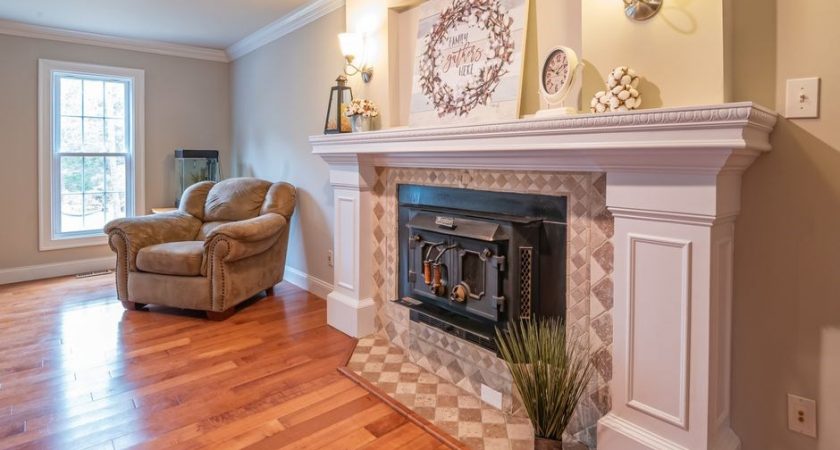
Discontinued majestic fireplace manuals once guided artisans in crafting grand hearths․ Their absence leaves a void in heritage knowledge, prompting enthusiasts to seek preservation and reinterpretation․ This article explores origins, decline, and future prospects․ Preserving legacy․ for future․!!․
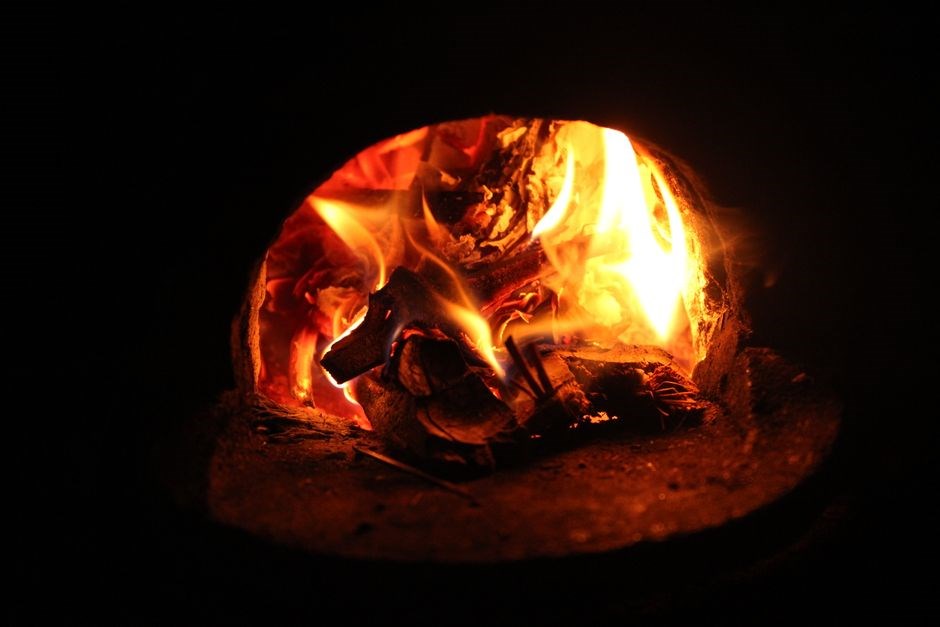
Historical Context
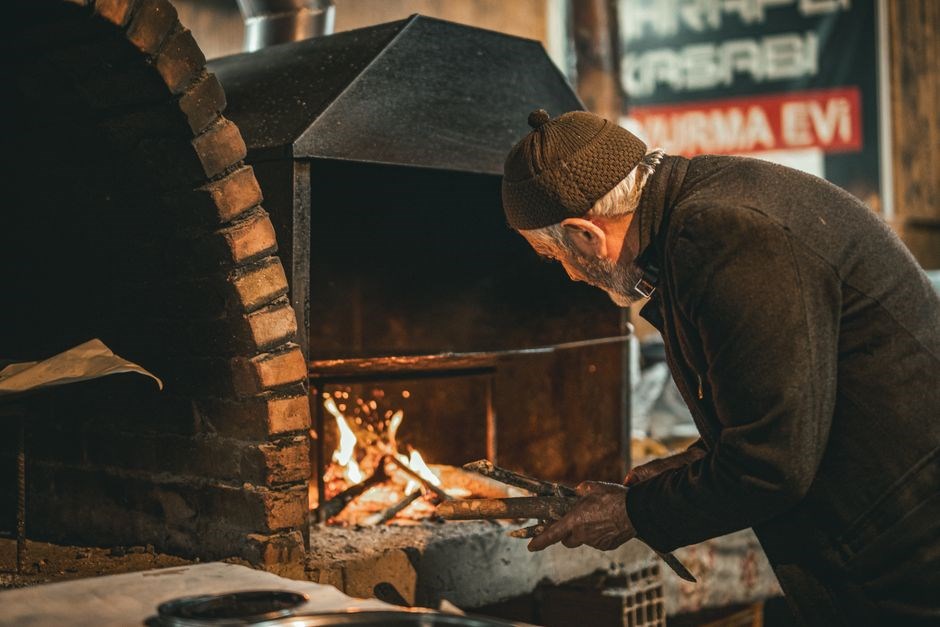
In the early 20th century, majestic fireplace manuals served as blueprints for artisans․ They chronicled design, materials, and construction techniques, ensuring consistency across regions․ These guides were pivotal before digital resources emerged․ Collectors cherish relics, preserving crf․ !!!
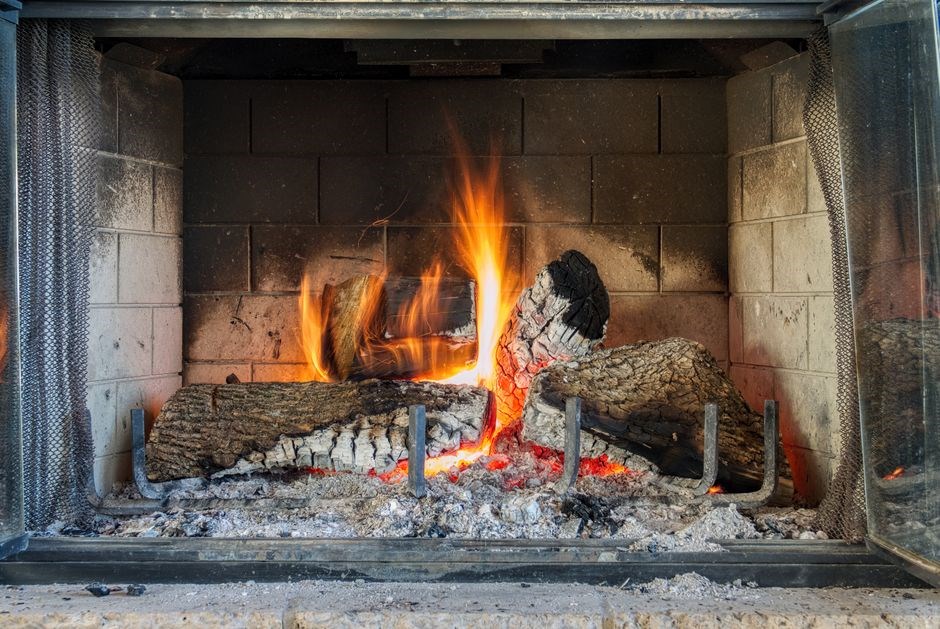
Early Adoption of Majestic Fireplaces
During the late 19th and early 20th centuries, the concept of the majestic fireplace emerged as a symbol of domestic grandeur and technological progress․ Wealthy homeowners sought ornate hearths that combined aesthetic splendor with functional efficiency, prompting architects and builders to adopt standardized design manuals․ These manuals, often published by leading engineering firms, provided detailed schematics, material specifications, and construction guidelines that ensured consistency across diverse regions․ The manuals emphasized the importance of proper ventilation, heat distribution, and fire safety, while also incorporating decorative elements such as carved stone mantels, intricate tilework, and elaborate ironwork․ As industrialization accelerated, the availability of mass‑produced components made it easier for craftsmen to replicate the sophisticated designs outlined in the manuals․ Consequently, the adoption of majestic fireplaces spread rapidly from urban centers to rural estates, becoming a hallmark of status and refinement․ The manuals also served as educational tools, allowing apprentices to learn advanced masonry techniques and joinery skills․ Over time, the popularity of these guides grew, leading to a proliferation of regional variations that reflected local tastes while maintaining core structural principles․ Collectors cherish these manuals as tangible links to a bygone era fueling a resurgence of craftsmanship today․ The early adoption period thus laid the foundation for a lasting legacy of craftsmanship, influencing subsequent generations of designers and preserving a cultural heritage that continues to inspire modern restoration projects․
The enduring appeal of these manuals lies in their blend of artistry and practicality, offering a window into the craft that once defined domestic interiors and continues to inspire designers seeking authenticity․!
Rise of Manual Production
As the demand for ornate hearths surged, manufacturers began producing manuals that guided craftsmen through every phase of construction․ These manuals, often bound in heavy leather, contained step‑by‑step illustrations, measurements, and material lists that ensured uniformity across workshops․ The rise of manual production coincided with the growth of industrial supply chains, which provided standardized bricks, cast‑iron grates, and decorative tiles․ By codifying best practices, the manuals reduced errors, lowered costs, and accelerated project timelines․ Apprentices could learn complex joinery techniques from a single reference, while seasoned artisans could refine their skills by consulting the latest editions․ The proliferation of such guides fostered a shared vocabulary among builders, allowing for seamless collaboration across regions․ Moreover, the manuals served as marketing tools; firms advertised their proprietary designs, claiming superior craftsmanship and durability․ As a result, the industry experienced a boom in custom fireplace orders, and the manuals became coveted items in trade guilds․ However, the reliance on printed guides also created a bottleneck: updates were slow, regional variations persisted․ This tension between standardization and local adaptation would later influence the eventual decline of these manuals when digital resources emerged․ Today, collectors prize early editions for their historical significance the insight they provide into the evolution of domestic architecture ․

The Decline of Majestic Fireplace Manuals
As digital tools rose, printed guides fell out of favor․ Technological shifts, cost pressures, and changing tastes accelerated their obsolescence․ Collectors now seek rare editions, while modern builders rely on online resources․ The era ends․Now
Technological Advancements and Automation

In the late twentieth century, the advent of computer-aided design (CAD) and rapid prototyping radically altered the craft of fireplace construction․ Designers could now simulate heat flow, structural integrity, and aesthetic balance with unprecedented precision, reducing reliance on hand‑crafted manuals․ Automation in the form of CNC milling machines and laser cutters enabled the mass production of intricate stone and metal components, previously labor‑intensive and costly․ The integration of smart sensors into hearth systems introduced real‑time monitoring of temperature, airflow, and combustion efficiency, allowing for dynamic adjustments that manual instructions could never anticipate․ As a result, the traditional manuals, once indispensable for apprentices, became supplemental references rather than primary guides․ Moreover, the proliferation of online databases and digital libraries democratized access to design schematics, rendering physical volumes redundant․ The shift toward modular, prefabricated fireplace units further diminished the need for detailed, bespoke instructions, as manufacturers offered plug‑and‑play solutions tailored to contemporary building codes․ Consequently, the production of printed manuals declined sharply, with many publishers ceasing print runs in favor of digital formats․ This transition not only reflected technological progress but also a broader cultural shift toward efficiency, standardization, and instant information retrieval․ The legacy of these manuals now resides in archival collections and enthusiast forums, where their historical value is preserved for future generations of craftsmen and historians alike․ These documents, once the cornerstone of craftsmanship, now serve as cultural inspiring designers to blend tradition with technologytoday!
Changing Consumer Preferences
As lifestyle priorities evolved, the demand for ornate, traditionally documented fireplaces waned․ Contemporary homeowners favor sleek, energy‑efficient designs that integrate seamlessly with smart‑home ecosystems․ Minimalist aesthetics, coupled with a growing emphasis on sustainability, pushed consumers toward modular, prefabricated units that require minimal on‑site customization․ The rise of open‑concept living spaces also demanded versatile heating solutions that could be easily reconfigured, reducing the appeal of fixed, handcrafted hearths․ Additionally, the proliferation of online design tools and virtual reality previews empowered buyers to visualize and modify fireplace concepts in real time, diminishing reliance on static manuals․ The shift toward DIY installation kits, supported by instructional videos and community forums, further eroded the market for printed guides․ In this climate, the once‑essential manuals became niche artifacts, appreciated by collectors and historians rather than everyday users․ The convergence of technology, design trends, and environmental consciousness has fundamentally reshaped consumer expectations, leaving the traditional manuals largely obsolete in mainstream markets․ Future trends suggest a hybrid model where digital overlays guide manual restoration, ensuring authenticity while embracing modern efficiency․ This synergy preserves heritage and meets contemporary demands, illustrating how tradition can evolve without losing its core identity!

Impact on Collectors and Preservationists
Collectors cherish rare manuals, valuing them as links to craftsmanship․ Preservationists restore faded pages, balancing authenticity with modern methods․ Both collaborate to digitize and archive, ensuring legacy endures future generations
Valuation of Rare Manuals
When a majestic fireplace manual survives in pristine condition, its market value can soar, reflecting both historical significance and scarcity․ Auction houses often list such volumes with detailed provenance, noting original binding, ink quality, and any marginalia that hint at the author’s intent․ Collectors assess condition on a scale from “fine” to “poor,” with each grade affecting price by a measurable percentage․ Rare editions that include original illustrations or technical drawings command premium prices, as they provide visual context that modern reproductions cannot replicate․ Additionally, the presence of signed annotations or ownership marks can elevate a manual’s worth, signifying a lineage of stewardship that appeals to connoisseurs․ The appraisal process typically involves specialists who cross‑reference catalogues, compare auction results, and evaluate the physical state of the binding and paper․ In recent years, digital marketplaces have introduced new valuation metrics, incorporating online demand and the potential for future digitization․ However, the core principle remains: the rarer and more complete the manual, the higher its cultural and monetary value․
Appraisers also consider the historical context of the manual’s publication․ Manuals issued during periods of architectural transition—such as the late 19th‑century shift from ornate Victorian designs to the streamlined Art Nouveau style—carry additional intrigue․ The rarity of surviving copies from these eras can inflate prices, especially when the manual documents unique construction techniques that were later abandoned․ Moreover, the legal status of the manual—whether it remains in the public domain or is protected by copyright—can influence its marketability․ Some collectors prefer to acquire rights‑free editions to avoid licensing complications, while others seek licensed copies to ensure authenticity․ The interplay between these factors creates a dynamic valuation landscape that evolves with scholarly research and market trends․
Restoration Practices
Restoration of discontinued majestic fireplace manuals demands a multidisciplinary approach that balances preservation science with historical fidelity․ First, conservators assess the paper substrate, noting acid content, fiber orientation, and any previous chemical treatments․ Non‑invasive imaging—such as multispectral photography—reveals hidden annotations and ink composition without physical contact․ Once the condition is documented, a stabilization protocol follows: controlled humidity chambers mitigate further degradation, while UV‑filtered light prevents photochemical damage․ Pages exhibiting flaking or brittleness are carefully reattached using reversible, archival adhesives that do not alter the original ink․ Marginalia and marginal notes, often written in fading script, are digitized at high resolution to preserve legibility for future scholars․ Binding restoration focuses on the original leather or cloth covers, employing gentle re‑lining techniques that respect the tactile qualities of the period․ When original covers are lost, conservators may source period‑appropriate materials, ensuring color and texture match the historical context․ The restoration process also includes a comprehensive provenance audit, cross‑referencing library catalogs, estate inventories, and auction records to confirm authenticity․ Finally, a conservation report is compiled, detailing every intervention, material used, and recommended future monitoring․ Further!??․․․

Modern Alternatives and Future Outlook
Digital archives, e‑books, and interactive web platforms now replace physical manuals․ Enthusiasts share scanned PDFs, 3D models, and VR walkthroughs, ensuring accessibility․ Collaborative forums foster knowledge exchange, while AI tools predict restoration needs, guiding future conservation․ Future Now
Digital Guides and Online Communities
In the wake of discontinued majestic fireplace manuals, digital guides have emerged as pivotal resources for architects and historians․ These guides, hosted on dedicated platforms, provide high‑resolution scans and interactive diagrams․ Leveraging cloud storage, users can access thousands of pages from anywhere, ensuring the knowledge surrounding these grand hearths remains searchable and shareable․
Online communities—from niche forums to large social‑media groups—serve as collaborative hubs where enthusiasts exchange insights and troubleshoot restoration challenges․ Members upload blueprints, photographs, and case studies, creating a living archive that expands․ Discussions feature expert Q&A sessions, live webinars, and virtual workshops, letting participants learn from seasoned craftsmen and preservation specialists․
These digital ecosystems support crowdsourced annotation projects where users add commentary to guide sections, flagging inaccuracies or suggesting adaptations․ Annotations are version‑controlled, ensuring future readers see accurate, up‑to‑date information․ Integration of AI‑driven search tools and semantic tagging enhances discoverability, enabling users to locate construction details or material specifications with minimal effort․
These digital resources preserve the craftsmanship of the past and empower modern designers to innovate, adapt, and honor historic hearths with accessibility and insight ․
Revival Efforts by Enthusiast Groups
Across the globe, dedicated societies and informal collectives have risen to resurrect the lost art of majestic fireplace construction․ These groups organize workshops that blend hands‑on practice with scholarly research, often partnering with universities to secure archival access․ By digitizing rare manuscripts, they create open‑source repositories that allow anyone to study original plans, material lists, and construction techniques․ Collaborative projects involve 3D modeling, allowing participants to visualize complex geometries before committing to physical work․ The use of laser scanning and photogrammetry preserves intricate stonework details, enabling precise replication․ Community‑driven forums host live Q&A sessions with master artisans, fostering mentorship across generations․ Many groups also host annual symposiums where experts present case studies, discuss preservation challenges, and showcase innovative adaptations of classic designs․ In addition, they publish newsletters that chronicle progress, highlight member achievements, and provide step‑by‑step tutorials․ By engaging local craftsmen, these initiatives stimulate economic revitalization, creating niche markets for custom hearths․ The collective effort ensures that the legacy of majestic fireplaces continues to inspire, evolve, and remain accessible to future generations․ These networks archive oral histories, preserving the tactile memory of hearth craftsmanship for generations․!
Discontinued majestic fireplace manuals have long been a silent testament to a bygone era of craftsmanship․ Their disappearance left a void that enthusiasts, historians, and artisans alike have felt keenly․ Yet, the collective resolve to preserve and revive these invaluable resources has sparked a renaissance in the field․ Modern preservationists harness digital archives, laser scanning, and community‑driven documentation to reconstruct lost knowledge․ By translating original diagrams into contemporary formats, they enable new generations to access intricate design principles that were once confined to fragile paper․ This renewed accessibility has spurred a wave of educational initiatives, from university courses to hands‑on workshops, ensuring that the techniques are not merely remembered but practiced․ Moreover, the revival has fostered a sense of shared identity among hobbyists, encouraging collaboration across borders․ Online forums and social media groups serve as hubs where members exchange insights, troubleshoot challenges, and celebrate milestones․ The resulting synergy has led to innovative reinterpretations of classic designs, blending traditional aesthetics with modern materials and sustainability considerations․ As these efforts mature, the legacy of majestic fireplaces is poised to endure, inspiring both preservationists and creators to honor the past while shaping the future․ These revived manuals now guide artisans worldwide, ensuring each hearth echoes timeless craftsmanship․