
Overview of Electric Circuit Fundamentals
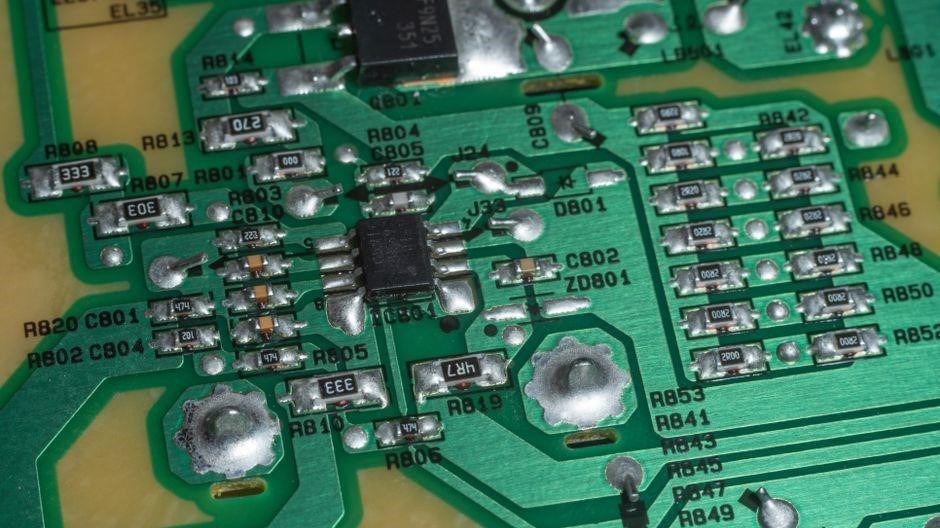
Explore foundational concepts in electric circuits through freely available PDFs covering units‚ Ohm’s law‚ series/parallel analysis‚ and network theorems. These resources offer lecture notes‚ tutorials‚ and practical examples such as power supplies and CMOS inverters. and analog!!!
Purpose of Circuit Study and PDF Resources
Students and hobbyists seek concise‚ authoritative PDFs that distill core principles of electric circuits. These documents typically begin with basic definitions—current‚ voltage‚ resistance—before advancing to Ohm’s law‚ power calculations‚ and the analysis of series and parallel networks. By presenting step‑by‑step derivations and illustrative diagrams‚ the PDFs enable readers to solve real‑world problems such as designing a power supply or configuring a CMOS inverter. Many free resources also include downloadable worksheets‚ example problems‚ and links to simulation tools. The emphasis on practical application ensures that learners can transition from theory to implementation‚ reinforcing concepts through hands‑on projects and circuit simulations. These PDFs often include interactive quizzes‚ downloadable lab kits‚ and links to online simulators‚ allowing students to test hypotheses in real time. The materials also cover safety guidelines for handling high‑voltage circuits and troubleshooting techniques for common faults. By integrating theory with hands‑on practice‚ learners build confidence and a deeper understanding of how circuits function in everyday devices. Moreover‚ the PDFs frequently provide historical context‚ tracing the evolution of circuit theory from early telegraphy to modern microelectronics‚ which enriches the learning experience. Students can download schematic for a work!

Core Electrical Components
Resistors‚ capacitors‚ and inductors form the backbone of circuit design. PDFs explain their voltage‑current relationships‚ impedance in AC‚ and energy storage. Practical examples illustrate series/parallel arrangements‚ tolerance effects‚ and real‑world applications. their role in filtering‚ timing.!!
Resistors‚ Capacitors‚ and Inductors
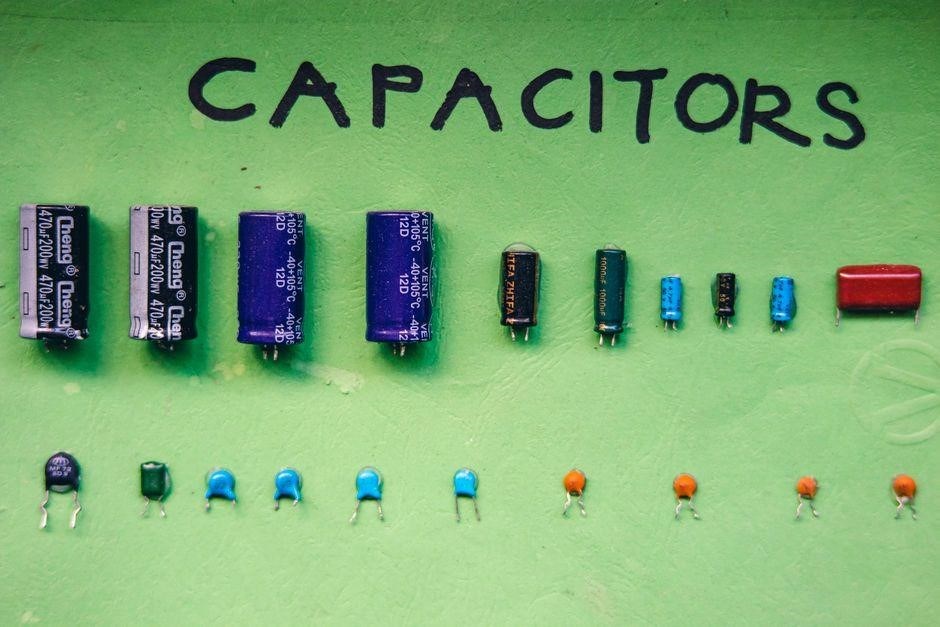
Resistors‚ capacitors‚ and inductors are the fundamental passive elements that shape electrical behavior in circuits. PDFs on fundamentals of electric circuits provide detailed derivations of their voltage‑current relationships‚ impedance formulas‚ and energy storage characteristics. For resistors‚ the material discusses Ohm’s law‚ temperature coefficients‚ power ratings‚ and the distinction between fixed‚ variable‚ and precision types. The capacitor section covers capacitance values‚ dielectric materials‚ leakage currents. Inductors are examined through their inductance‚ core materials‚ saturation limits‚ and the impact of self‑inductance on AC impedance. Each component’s behavior is illustrated with circuit diagrams and example problems‚ such as calculating voltage drops in series and parallel networks‚ determining time constants in RC and RL circuits‚ and analyzing resonant frequencies in RLC configurations. The PDFs also highlight practical considerations for component selection‚ tolerance‚ and layout‚ providing real‑world examples like power supply smoothing‚ CMOS inverter loading‚ and signal modulation circuits. By integrating these resources‚ students can build a solid conceptual framework that supports advanced analysis and design tasks in both analog and digital domains. These PDFs also include interactive quizzes and downloadable schematics to reinforce learning and basic tutorials. See details. More info. Visit the PDF for full examples. Thanks for readingEnjoy.
Key Electrical Laws
Key electrical laws such as Ohm’s law‚ Kirchhoff’s voltage and current laws‚ and power equations are explained in PDF resources. They cover derivations‚ applications in series/parallel circuits‚ practical examples like supply design signal analysis and voltage.

Ohm’s Law and Power Relationships
Ohm’s law‚ V = IR‚ is foundational in circuit analysis‚ linking voltage‚ current‚ and resistance. The law appears in many PDF lecture notes‚ offering derivations‚ examples‚ and practical applications such as power supply design and CMOS inverter operation. Power relationships‚ P = VI‚ P = I²R‚ and P = V²/R‚ are derived from Ohm’s law and are essential for calculating energy consumption and efficiency in electronic systems. These resources provide step‑by‑step calculations‚ unit conversions‚ and real‑world scenarios‚ enabling students to apply theoretical concepts to actual circuit designs‚ including series and parallel configurations‚ and to understand how voltage‚ current‚ and resistance interact in both DC and AC contexts. The PDFs also cover the impact of temperature on resistance‚ the concept of power‑dissipation in resistive elements‚ and the use of power‑factor correction in AC circuits. By studying these documents‚ learners gain a solid grasp of how to compute power‚ analyze load characteristics‚ and optimize circuit performance for safety and reliability. These PDFs also include example calculations for power‑factor correction‚ thermal limits‚ and safety margins‚ helping engineers design robust circuits. They provide tables of standard resistor values‚ capacitor tolerances‚ and inductor quality factors‚ making it easier to select components that meet design specifications and regulatory ards

Circuit Topologies
PDFs detail series and parallel arrangements‚ explaining equivalent resistance‚ voltage division‚ and current sharing. They illustrate how to simplify complex networks‚ apply node‑voltage and mesh‑current methods‚ and design practical power‑distribution systems!!!!.

Series and Parallel Configurations
In the freely downloadable PDF collections on fundamentals of electric circuits‚ the series and parallel sections are presented with clear‚ step‑by‑step derivations. For series networks‚ the total resistance is the arithmetic sum of individual resistances‚ and the same current flows through each element‚ while voltage drops add up to the supply voltage. Parallel networks‚ in contrast‚ share the same voltage across each branch‚ and the total conductance is the sum of individual conductances‚ leading to a reciprocal formula for total resistance. The documents illustrate these principles with numerical examples‚ such as a 12 V battery powering a series string of a 4 Ω resistor and a 6 Ω resistor‚ yielding a total of 10 Ω and a current of 1.2 A. Parallel examples include a 5 V source feeding two 10 Ω resistors‚ resulting in a combined resistance of 5 Ω and a current split of 0.5 A each. The PDFs also cover mixed topologies‚ where series and parallel elements coexist‚ and provide systematic methods for simplifying them using series‑parallel reduction rules. Additionally‚ the resources discuss the impact of component tolerances on equivalent values‚ the concept of equivalent circuits for complex networks‚ for power‑distribution boards in embedded systems. These materials are ideal for students and hobbyists seeking a solid‚ mathematically rigorous foundation before moving on to network theorems and AC analysis.
Network Theorems
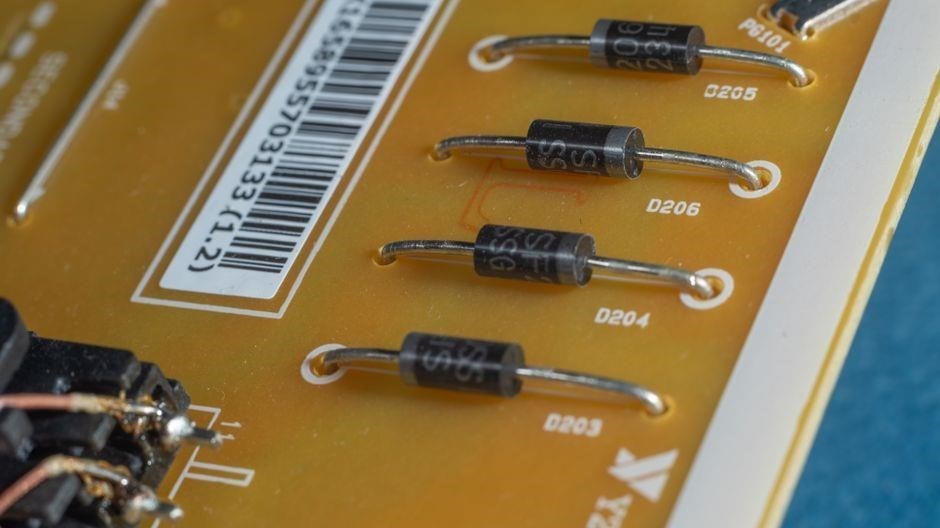
Free PDF resources cover Kirchhoff’s current and voltage laws‚ Thevenin and Norton equivalents‚ superposition‚ with worked examples and circuit diagrams for power distribution and signal processing applications. It offers derivations and examples!. See PDF now!.
Kirchhoff‚ Thevenin‚ and Norton Theorems
Free downloadable PDFs provide comprehensive coverage of Kirchhoff’s current and voltage laws‚ Thevenin and Norton equivalent circuit concepts‚ and superposition principles. These documents include step‑by‑step derivations‚ illustrative circuit diagrams‚ and worked examples that demonstrate how to simplify complex networks into single‑source equivalents. The materials also discuss practical applications such as designing power‑distribution networks‚ analyzing signal‑processing blocks‚ and optimizing load‑matching in communication systems. Each PDF offers a mix of theoretical explanations and hands‑on problem sets‚ enabling students to apply the theorems to real‑world scenarios. The resources are organized by topic‚ with clear sections on circuit analysis techniques‚ theorem proofs‚ and case studies. They also provide downloadable worksheets and solution keys for self‑assessment. These free references are ideal for self‑study‚ classroom instruction‚ or quick reference during engineering projects‚ ensuring a solid grasp of network analysis fundamentals. These PDFs also include interactive quizzes‚ downloadable worksheets‚ and detailed solution manuals‚ enabling students to test comprehension and reinforce concepts before applying them in laboratory projects or professional design tasks. Students can export circuit schematics to tools‚ model transient behavior‚ frequency response‚ and power consumption during prototype construction now.

AC Circuit Analysis
Free PDFs cover sinusoidal steady‑state theory‚ impedance concepts‚ phasor methods‚ and reactive power analysis. They present step‑by‑step derivations‚ sample circuits‚ and practical examples for power‑electronics‚ signal‑processing‚ communication systems!!
Sinusoidal Steady‑State and Impedance
Free PDF resources on electric circuits provide a comprehensive treatment of sinusoidal steady‑state analysis and impedance concepts. The documents begin by defining sinusoidal voltage and current waveforms‚ emphasizing the role of amplitude‚ frequency‚ and phase shift. They introduce phasor representation‚ converting time‑domain signals into complex numbers that simplify differential equations into algebraic forms. Subsequent sections detail the impedance of resistors‚ inductors‚ and capacitors: Z_R = R‚ Z_L = jωL‚ and Z_C = 1/(jωC). The PDFs illustrate how these impedances combine in series and parallel‚ and how to compute total impedance for RLC networks. They also cover power factor‚ reactive power‚ and apparent power‚ providing formulas for real‚ reactive‚ and apparent power in terms of phasor magnitude and angle. Practical examples include AC power supply analysis‚ filter design‚ and resonance conditions. The materials conclude with exercises that reinforce phasor arithmetic‚ impedance calculations‚ and interpretation of frequency response plots‚ enabling students to apply theory to real‑world AC circuits.
Download links are provided in the PDF‚ enabling students to access full lecture notes‚ problem sets‚ and example solutions for self‑study.
These PDFs also include practice quizzes and reference tables for quick review.
Enjoy learning

Practical Applications and Resources
Free PDFs highlight real‑world uses such as power supplies‚ CMOS logic‚ signal modulators‚ and provide reference lists for further study. They also cover simulation tools‚ including SPICE modeling‚ enabling hands‑on circuit design and analysis‚.
Real‑World Uses and PDF Reference Lists
Practical engineering relies on the fundamentals of electric circuits to design and analyze a wide array of devices. PDF compilations available online cover power‑supply topologies‚ including linear regulators and switching converters‚ with step‑by‑step derivations of voltage‑drop calculations and ripple‑reduction techniques. They also detail CMOS inverter design‚ illustrating how transistor sizing and biasing affect propagation delay and power dissipation. Signal‑modulation modules‚ such as amplitude‑modulated (AM) and frequency‑modulated (FM) transmitters‚ are presented with block‑diagram schematics and frequency‑response plots‚ enabling students to translate theory into functional hardware. Each PDF includes a curated reference list of seminal papers‚ textbook chapters‚ and lecture notes‚ allowing readers to trace concepts back to original sources. The documents emphasize hands‑on simulation‚ providing SPICE netlists and model parameters that can be imported into popular tools like LTspice‚ PSpice‚ or Qucs. By following the example circuits‚ users can validate analytical results‚ observe transient phenomena‚ and experiment with component tolerances. The reference lists also point to open‑access repositories where full‑text PDFs of classic texts—such as “Fundamentals of Electric Circuits” by Alexander and Sadiku—are hosted‚ ensuring that learners have immediate access to authoritative material without subscription barriers. This synergy of theory‚ practical design‚ and freely available documentation empowers both students and professionals to deepen their understanding and accelerate project development;
Simulation Tools and SPICE Modeling
Modern circuit education relies on interactive simulation to bridge theory and practice. Free SPICE engines such as LTspice‚ Qucs‚ and Ngspice provide deterministic time‑domain and AC analysis‚ enabling students to verify Ohm’s law‚ voltage dividers‚ and impedance calculations presented in PDF lecture notes. These tools accept netlists derived directly from textbook examples‚ allowing learners to compare analytical results with simulated waveforms. The PDFs often include annotated SPICE code snippets; for instance‚ a simple RC low‑pass filter is modeled with a 1 kΩ resistor‚ 10 µF capacitor‚ and a sinusoidal source‚ producing a Bode plot that matches the analytic transfer function. Advanced tutorials demonstrate how to incorporate non‑linear devices—diodes‚ BJTs‚ MOSFETs—using model files supplied in the PDF references. Users can tweak parameters‚ observe transient response‚ and apply parameter sweeps to study sensitivity‚ all while keeping the simulation environment open‑source. Additionally‚ the PDFs recommend graphical front‑ends like KiCad’s integrated simulator or the web‑based Falstad circuit simulator‚ which lower the barrier to entry for beginners. By embedding SPICE models within the PDF learning path‚ educators ensure that students gain hands‑on experience with real‑world component tolerances and parasitic effects‚ thereby deepening their conceptual grasp of electric circuit fundamentals. Students interpret plots and graphs.